How GPS Vehicle Tracking Improves Road Safety in Bangladesh
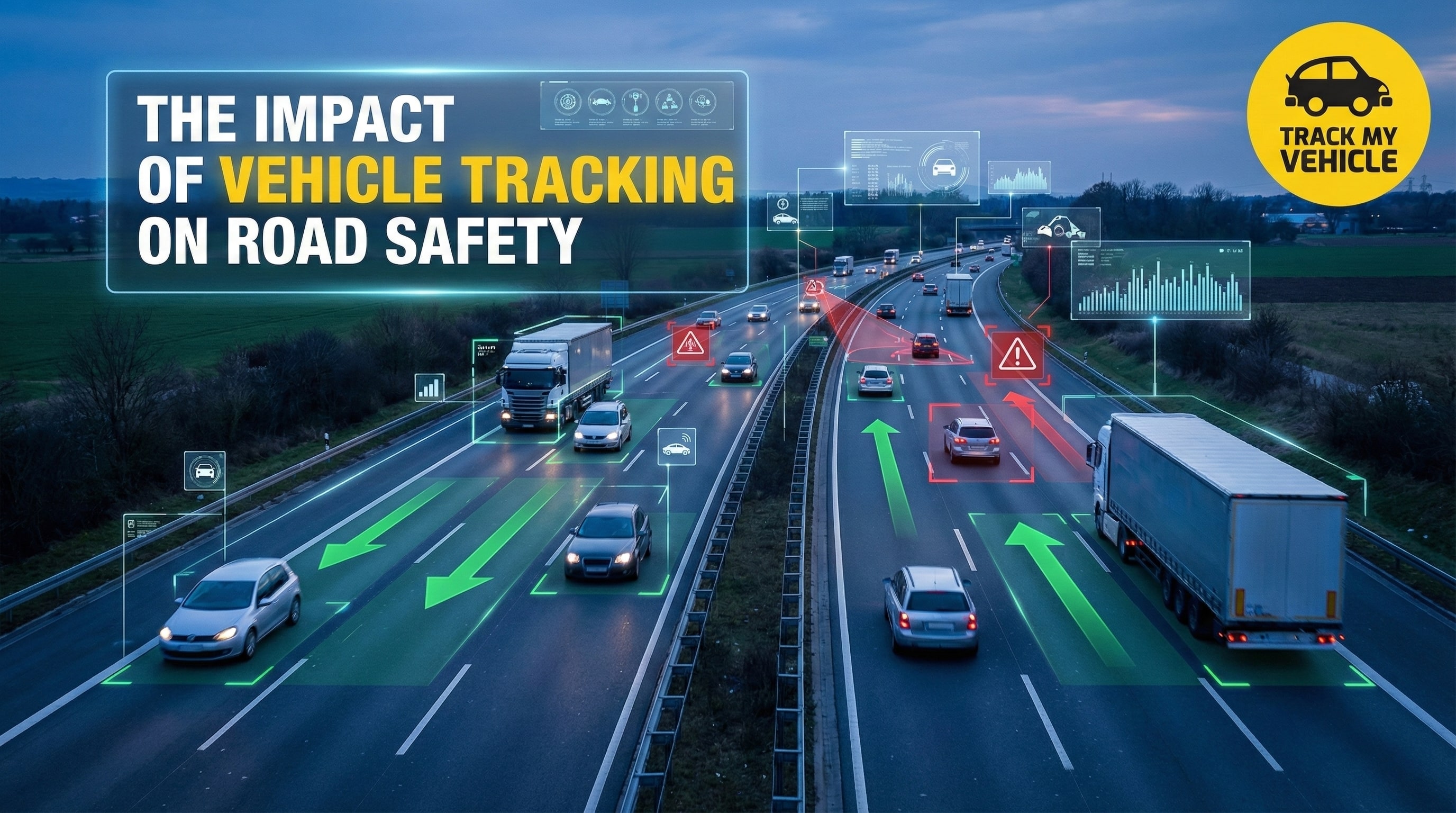
Road safety is a universal concern, but in a densely populated country like Bangladesh, it is a daily challenge. With unpredictable traffic patterns, narrow roads and varying driving standards, the risk of a collision is always present. While we often think of a vehicle tracking system as a tool for security or navigation, its most undervalued benefit is its ability to save lives. Modern telematics solutions have evolved beyond simple dots on a map. They now act as an intelligent co-pilot, monitoring every move a driver makes. By identifying risky behaviors before they lead to a crash, these systems are actively changing the safety culture on our roads.
Key Takeaways
- •Speed Control: Set automated speed limits and receive instant alerts to prevent dangerous speeding.
- •Behavior Analysis: Detects and corrects harsh braking, rapid acceleration and sharp cornering.
- •Fatigue Management: Monitor continuous driving hours to enforce mandatory rest breaks for long-haul drivers.
- •Route Safety: Use Geo-fencing to keep vehicles out of high-risk or accident-prone areas.
Curbing the Need for Speed
Speeding is the leading cause of fatal road accidents globally. When a driver is running late or thinks no one is watching, they are more likely to push the accelerator. A vehicle tracking system works as a silent supervisor. You can set a maximum speed limit for your vehicle, for example, 80 km/h on highways or 40 km/h in city zones. As soon as the driver exceeds this limit, you receive an instant alert on your phone. For fleet management, this is a game-changer. Drivers who know they are being monitored are proven to drive more cautiously. In the context of GPS tracking in Bangladesh, where highway speed limits are often ignored, this technology forces accountability and drastically reduces the chances of high-speed collisions.
Detecting Aggressive Driving Habits
Accidents often happen due to harsh events, sudden braking, rapid acceleration, or sharp cornering. These are clear signs of aggressive driving or lack of attention. Advanced tracking devices contain sensors (accelerometers) that detect these G-force changes. By reviewing these reports, owners can identify which drivers are high risk and provide them with necessary training before an accident occurs.
- ⬤Harsh Braking: Indicates the driver was following too closely (tailgating) or wasn't paying attention to the road ahead.
- ⬤Harsh Acceleration: Wastes fuel and indicates road rage or impatient driving.
- ⬤Sharp Cornering: Increases the risk of the vehicle rolling over, especially for trucks and covered vans.
Combating Driver Fatigue
Drowsy driving is a silent killer, particularly for long-haul trucks operating at night on routes like the Dhaka-Chittagong highway. When a driver is tired, their reaction time slows down significantly. While a tracker cannot scan a driver's eyes, it can monitor engine run time. If a vehicle has been moving continuously for 6 hours without a stop, the system can flag this as a fatigue risk. Fleet managers can then call the driver and order a mandatory rest break. This simple intervention prevents the driver from falling asleep at the wheel, protecting both the driver and others on the road.
Geo-Fencing High-Risk Zones
Not all roads are safe for all vehicles. Some routes in Bangladesh may be prone to hijackings, prone to landslides, or simply too narrow for heavy vehicles. Using real-time tracking, you can set up Geo-fences (virtual boundaries). If a driver deviates from the assigned safe route and enters a known high-risk area, you get an immediate alert. This allows you to guide them back to safety instantly. keeping your vehicle away from accident-prone black spots.
Ensuring Vehicle Health
A safe drive requires a safe vehicle. A tire blowout or brake failure at high speed is catastrophic. Telematics connects to your vehicle's onboard computer to track maintenance schedules. By reminding you to service your brakes, rotate tires and change the oil on time, the system ensures the vehicle is mechanically sound and capable of responding correctly in an emergency situation.
Conclusion: Proactive Protection
We cannot control what other drivers do on the road, but we can control our own vehicles. The role of GPS tracking in Bangladesh has shifted from recovering stolen cars to protecting the people inside them. By providing real-time feedback on speed, behavior and fatigue, a vehicle tracking system stops accidents before they happen. It turns reactive owners into proactive safety managers.